Diagnosing Epilepsy
Learn about how epilepsy and seizures are diagnosed, from the types of doctors involved to the technology they use and more.


As many in the epilepsy community will tell you, managing epilepsy and seizures involves a lot of learning and, at times, it can be quite complex. The Understanding Epilepsy section was created to provide people with epilepsy, their caregivers, and their loved ones with the information they need in an accessible way.
In this section you’ll learn who diagnoses epilepsy, which medical settings epilepsy can be diagnosed in, the diagnostic tools, and much more.
 How is epilepsy diagnosed?
Learn about the first step in diagnosing epilepsy, from the types of doctors involved and the different roles they play to the medical settings in which epilepsy can be diagnosed.

Getting an accurate diagnosis will guide treatment options and provide insight into the patient’s long-term prognosis.
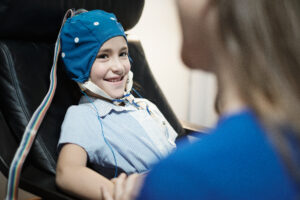 Electroencephalogram (EEG)
Get information on EEGs, including the different types of EEGs, how they work, and when one test might be prescribed over another.
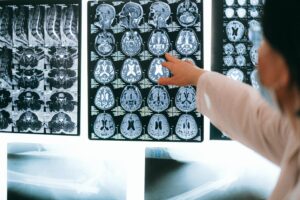 Magnetic resonance imaging (MRI)
Seizures are classified depending upon where they start in the brain, whether the person remains or loses consciousness, and other symptoms. Learn more.
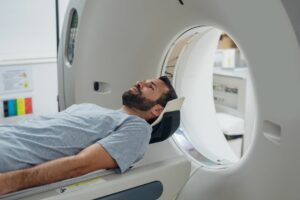 Other Diagnostic Tests
In addition to EEGs and MRIs, there are several neuroimaging scans that construct images of the brain to help accurately diagnose epilepsy.
 Epilepsy Syndromes
Learn about epilepsy syndromes, from what they are to information about a select group of epilepsy syndromes that may be important to know about.
 Adult vs. Pediatric Journey
Adult and pediatric patients may have different experiences in the diagnostic process. Learn the key differences.